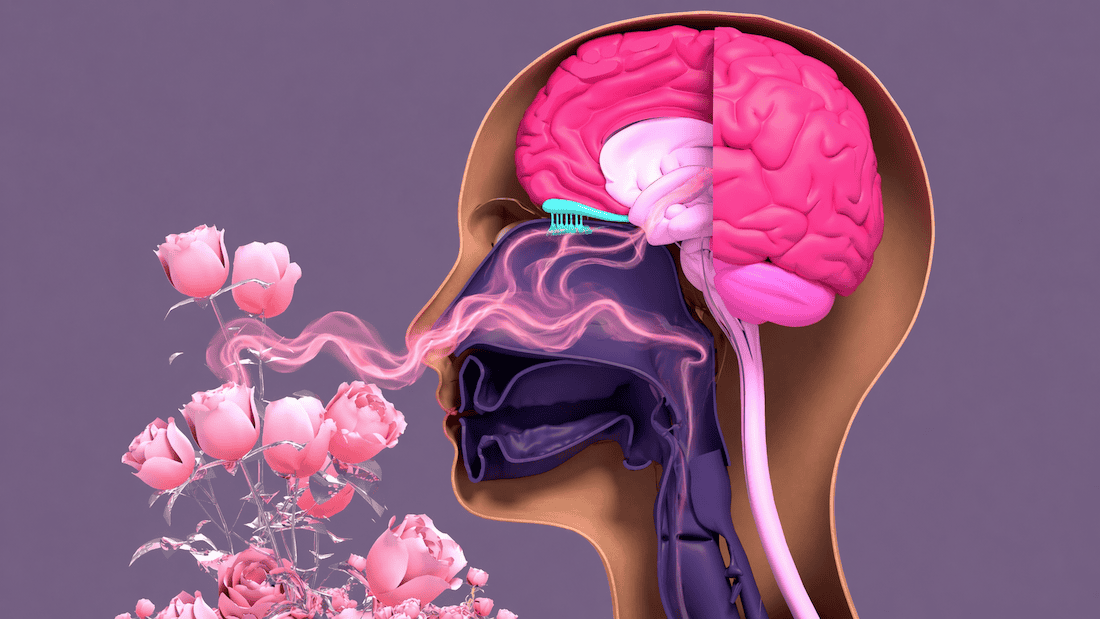
When we think about staying sharp as we age, we often focus on crosswords, exercise, or a Mediterranean diet. However, recent scientific breakthroughs suggest we should pay more attention to our sense of smell for brain health. Olfaction serves as a direct “superhighway” to the brain’s memory centers. It’s tightly linked to memory, cognition, and even early signs of neurodegenerative disease. Protecting this sense may be one of the most effective ways to preserve cognitive function.
The warning signal: olfaction and brain health
A 2024 review by scientists at the University of California, Irvine highlights a startling discovery: olfactory loss is associated with at least 139 medical conditions. These range from neurological disorders to ailments like diabetes and even cardiovascular disease. In fact, the loss of smell is one of the earliest detectable signs of conditions like Alzheimer’s and Parkinson’s disease.
The researchers assert that losing your sense of smell is more than just a symptom; it may be a causal factor in declining health. Because the olfactory system is the only sensory system with direct projections to the brain’s memory centers, its deterioration can lead to rapid neurological decline. A key driver behind this connection appears to be inflammation. All 139 conditions identified in the study are linked to systemic inflammation, which often first manifests as a diminished sense of smell.
Olfaction sits at the intersection of sensory processing, memory, and neurodegeneration. Key insights from the review include:
- The olfactory system is uniquely vulnerable to aging and disease.
- Declines in smell often track with declines in cognition.
- Olfactory testing may help identify individuals at risk for neurological disorders.
- Interventions targeting smell may influence broader brain function.
- The olfactory pathways are highly plastic and capable of regenerating.
Olfactory training: a shield for the brain
If a loss of smell is problematic, can stimulating our senses reverse the damage? Research suggests that “olfactory training” — regularly exposing yourself to various scents — can act as both a preventive measure and a treatment. By stimulating the olfactory bulb, we may reduce brain inflammation and strengthen the neural pathways that support memory and cognition.
Olfactory training typically involves:
- Smelling 4 distinct scents (e.g., rose, lemon, clove, eucalyptus)
- Spending ~20–30 seconds on each scent
- Practicing twice daily
- Continuing for several months
This process leverages the brain’s ability to adapt, known as neuroplasticity.
New research: training your way to a sharper mind
Three groundbreaking studies published in 2025 provide clear evidence that we can “train” our brains through our noses.
1. Rebuilding brain connectivity
Research published in The Neuroradiology Journal examined patients with post-traumatic anosmia (loss of smell due to head injury). The study compared “classical” training using four fixed scents to “modified” training using rotating sets of scents. Both training methods significantly improved the participants’ ability to smell. More importantly, MRI scans revealed that intensive olfactory training actually changed the brain’s physical structure and strengthened communication between brain regions. It increased functional connectivity between the areas responsible for processing smell and those responsible for higher-order thinking.
2. Fighting cognitive decline in high-risk groups
Another 2025 study focused on individuals with Type 2 diabetes and mild cognitive impairment. Participants performed 6 minutes of olfactory training twice daily using scents such as rose, lemon, and coffee. After 16 weeks, the results were remarkable: the training group showed significant improvements in global cognition, language, and executive function. Brain scans even showed increases in the volume of the hippocampus—the brain’s memory hub.
3. Olfactory training effectively improves olfaction, cognition, and brain health
A 2025 meta-analysis of research found that olfactory training could improve cognition, verbal fluency, and working memory. Intensive training with enriched scents, longer sessions, and greater adherence enhanced cognitive and emotional outcomes in patients with dementia. Even more impressive is that olfactory training can increase brain volumes and promote reorganization of neural structure.
Simple steps for your brain health
The beauty of olfactory training is its simplicity. It’s a low-cost, home-based strategy that anyone can start today. To begin your own “scent gym” routine:
- Gather diverse scents: Use essential oils or natural items like cinnamon, coffee, or citrus.
- Practice daily: Spend a few minutes each morning and evening intentionally sniffing a variety of scents.
- Rotate scents: Change them every few weeks to keep the brain engaged and challenged.

Unlike many brain health interventions, it requires no medication, no equipment beyond simple scents, and no clinical setting.
For more information, see our page on Alzheimer’s and dementia prevention and read this news article showing that odor detection is related to Alzheimer’s disease.