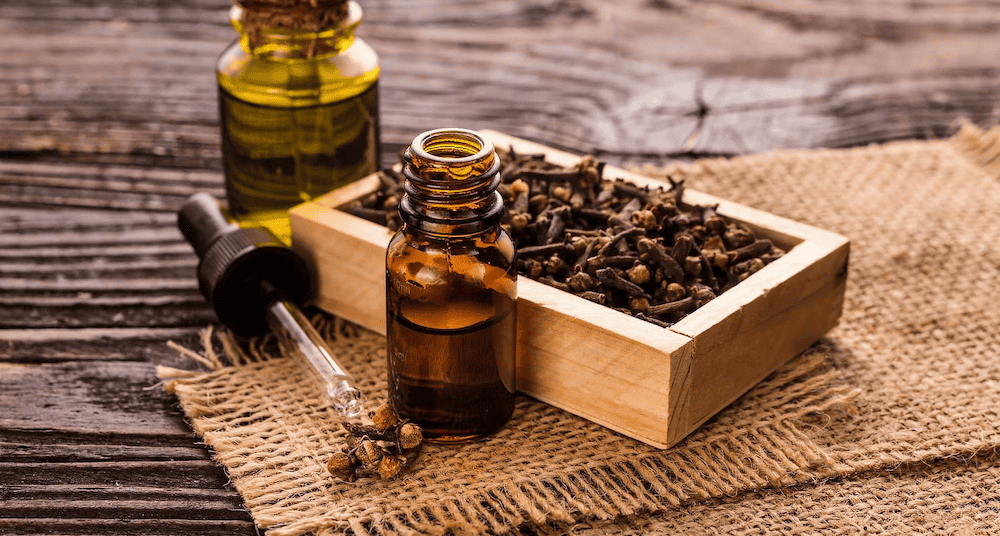
Every year, millions of stray dogs cause road accidents, spread disease, strain animal shelters, and represent a major animal welfare issue. The main tool for controlling their numbers — surgical castration — requires trained surgeons, sterile facilities, anesthesia, and post-operative care. In many parts of the world, that’s simply not available. Now, two new studies suggest that injections of clove essential oil could offer a practical non-surgical sterilization method for male dogs.
Why non-surgical sterilization matters
Worldwide, hundreds of millions of cats and dogs live without permanent homes. Many reproduce freely, and achieving adequate sterilization rates through surgery alone remains extremely difficult. Although surgical sterilization is currently the standard, it carries real risks — bleeding, infection, scrotal swelling, and pain. (See our page on other health impacts of spaying and neutering.) A non-surgical alternative that veterinarians could deliver in the field, without a scalpel, would transform population control programs.
Researchers have been testing injectable chemical agents that they can deliver directly into the testicles or epididymis (the tube where sperm mature and are stored) to destroy sperm-producing tissue. Results have been promising but inconsistent, and researchers have not yet found a perfect solution.
What researchers tested
A 2026 study published in Veterinary Medicine and Science tested clove essential oil in 24 mixed-breed male dogs. Clove oil’s main active compound is eugenol — the same substance dentists use to relieve toothaches. At high concentrations, eugenol damages tissue by generating unstable molecules that attack cells, which is exactly the mechanism researchers hoped to exploit.
Researchers divided the dogs into four groups. Two received clove oil injections — one directly into the testicles and one into the epididymis using ultrasound guidance. Two control groups received saline in the same locations. Researchers monitored the dogs for 40 days, measuring testosterone levels, sperm quality, testicular size, and blood flow. On day 40, they surgically castrated all dogs so they could examine the tissue under a microscope.
How clove oil performed as a chemosterilant
Both injection methods significantly impaired fertility. By day 40, semen from treated dogs had turned from milky white to colorless — a visible sign that sperm were nearly absent. Sperm count, movement, and viability all dropped sharply. Sperm abnormalities increased substantially as well.
The two methods worked differently, however, and that distinction matters.
Injecting into the testicle caused more dramatic and apparently permanent damage. Testosterone levels began falling by day 3 and continued declining through day 40 — because the oil destroyed the hormone-producing cells (Leydig cells) alongside the sperm-producing structures. Under the microscope, researchers observed widespread tissue death, inflammation, and scarring. Dogs in this group had completely lost sexual behavior by days 36 and 40. The procedure was also simpler to perform, requiring no special imaging equipment.
Injecting into the epididymis produced a different picture. Testosterone stayed normal, and sexual behavior continued throughout the study. The oil disrupted the tube that sperm must pass through — without destroying the testicle itself. This caused a functional form of infertility: the sperm factory still ran, but the delivery system was blocked. Whether those effects are permanent remains unknown, and longer-term follow-up studies are needed to determine this.
How does clove oil compare to other chemical sterilants?
A 2026 systematic review in Reproductive Biology examined 38 studies testing 16 injectable compounds across multiple animal species. The review found that calcium chloride and concentrated salt solution (hypertonic saline) are currently the most promising candidates. Calcium chloride reliably destroys testicular tissue and suppresses fertility, and saline appears safe with no severe side effects reported. The Parsemus Foundation has supported research and advocacy on the use of calcium chloride for sterilization; see the information here.
Researchers have not yet found a compound that fully clears the bar they have set: a single injection that permanently ends a dog’s ability to produce or deliver sperm, without causing harmful side effects.
The intratesticular method of clove oil performed well against that standard in the short term. This initial study reported only mild side effects — some localized swelling for a few days, with no apparent pain when the area was touched. That compares favorably to calcium chloride, which has occasionally caused scrotal ulcers and abnormal wound openings (fistulas) at higher doses. Additional research on clove oil as a sterilant will be needed to further evaluate its side-effect profiles.
What the findings don’t yet tell us
This study was small — only six dogs per group — and lasted just 40 days. Those are real limitations. For intratesticular injection, the tissue destruction observed looks permanent, but 40 days is not long enough to rule out partial recovery. For epididymal injection, whether the effects reverse over time remains an open question. Future studies of six months or longer are needed.
Critically, researchers did not mate the dogs with females to directly confirm infertility. That kind of real-world fertility test remains absent from most research in this field.
What this means in practice
For pet owners with access to veterinary care, surgical castration or vasectomy remain the proven standards. This research is not a reason to seek out clove oil injections for a family dog. However, if a family dog cannot undergo anesthesia, an epididymal injection of clove oil could be an effective alternative to vasectomy for owners interested in hormone-sparing sterilization.
In resource-limited settings, clove oil sterilization is promising. Clove oil is cheap and widely available. Although the current study required a veterinary hospital for the procedure, further refinement may produce methods that work under field conditions.
More evidence is needed before veterinarians can widely recommend clove oil as an injection-based non-surgical sterilization method. But these results are a genuine step forward in a field that urgently needs practical solutions.
See our other articles about non-surgical pet sterilization here.